

How One Press Release Kept Traveling After Publication
A case study on timely media pickup, social sharing, international reuse and partner-driven visibility.
Case Overview
A semiconductor research story from National Yang Ming Chiao Tung University (NYCU) offers a useful example of how a well-framed press release can continue to circulate after its initial publication. The study, led by Professor Wen-Hao Chang at NYCU, focused on high-transconductance molybdenum disulfide top-gate transistors using epitaxial interface engineering (DOI: 10.1038/s41928-026-01672-7).
What makes this case worth examining is not one platform metric alone. The story moved through several layers of visibility, including fast media pickup, later reporting, technology news alerts, social media sharing, international reuse and domestic adoption. Taken together, these signals show how one research story can travel through different information networks when the topic, timing and angle are well matched.
1. Timeliness: Pickup Began Within Days
The first signal was speed. The press release appeared on EurekAlert! on August 4, 2026, and media coverage began within three days. For research communications teams, this early pickup matters because it shows that a release can quickly enter the news cycle when the story is timely, concrete and easy for editors to use.
At the same time, not every valuable mention appears immediately. Some outlets publish several days later because they are preparing a more developed article instead of reposting the release. Later coverage can therefore be a positive signal, especially when it reflects additional context, rewriting or more in-depth reporting.
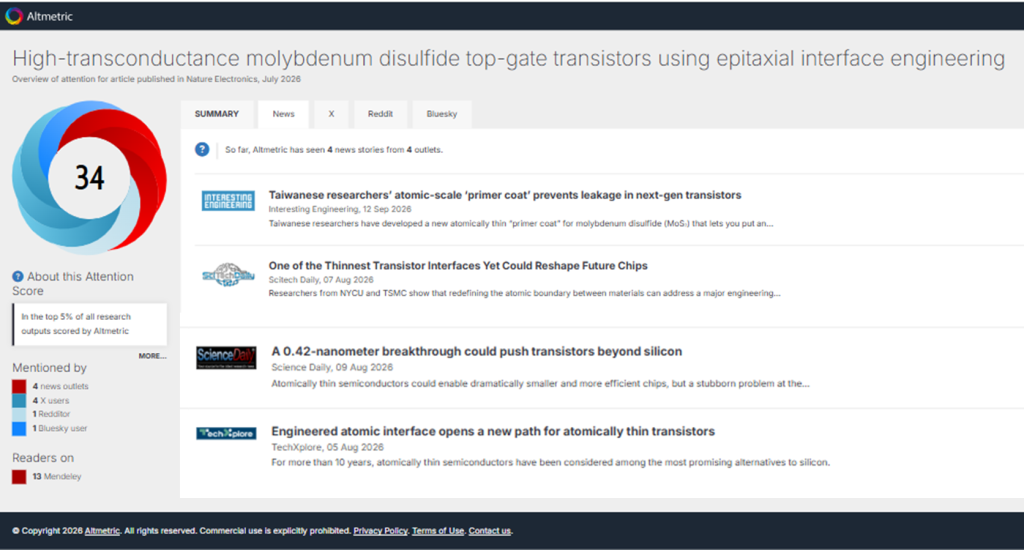
Fig. 1. Media pickup shortly after the press release was published. Source: Altmetric.com.
2. Cross-Platform Reach: Social Pages and Opinion Leaders Matter
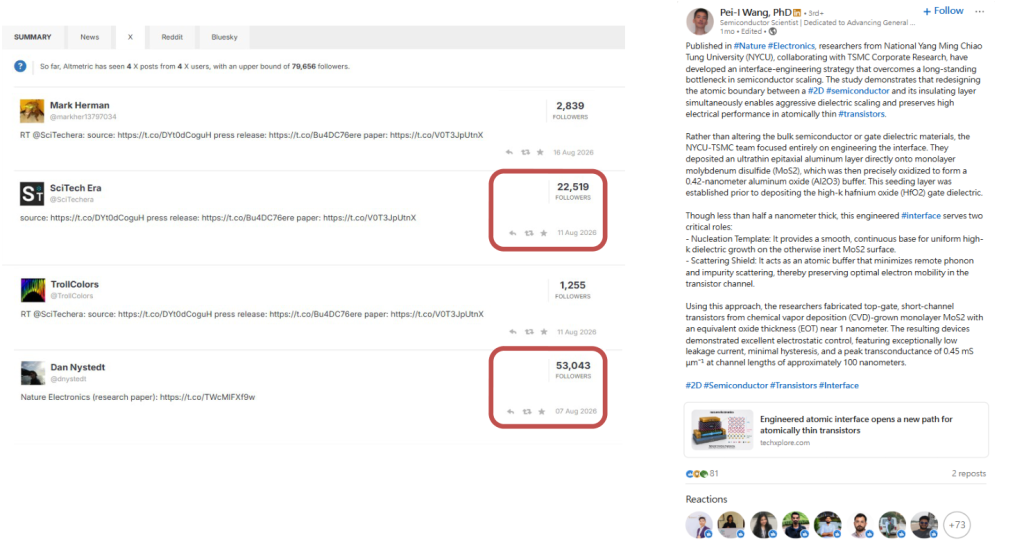
The case also shows why dissemination should not be evaluated only through news websites. Relevant social media pages, technology-focused accounts and key opinion leaders can help a technical story reach specialized audiences beyond conventional media.
Some social media pages that share science and technology updates have tens of thousands of followers. When these pages or influential individuals share a research story, they can create a second wave of attention among readers who actively follow a field, a company or a technology trend.
3. Internationalization: An English Release Can Be Reused Across Markets
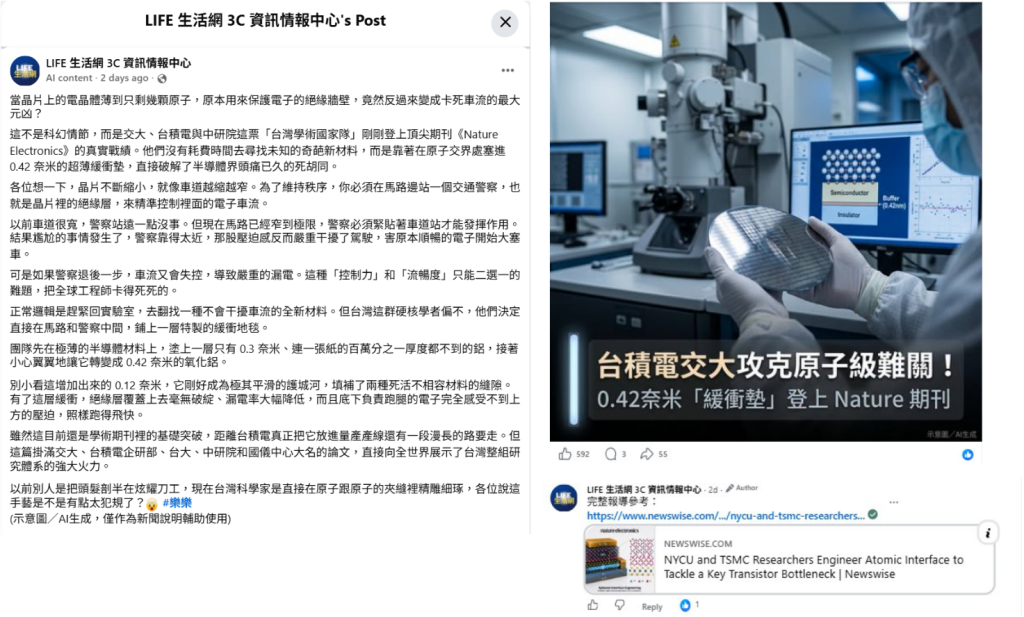
Although the release was written in English, its potential audience was not limited to English-language readers. International outlets can translate, summarize or adapt English research news for their own markets. The same material can also return to the home market when domestic media find the topic locally relevant.
This is one reason an English press release can become more than an overseas distribution tool. It can serve as reusable source material for translated coverage, domestic media pickup, institutional sharing and search-driven discovery after the original publication date.
4. Multiple Angles: Partner Networks Can Extend Visibility
Collaborative research can often support more than one communications angle. One version of the story can focus on the scientific finding itself. Another can highlight the collaboration and connect the research to the partner organization’s network.
In this case, the collaboration with Taiwan Semiconductor Manufacturing Company Limited (TSMC) created an additional route for attention. Because the story was connected to TSMC, it also appeared in TSMC-related news alerts. This illustrates how a partner-focused angle can help a research story reach readers who follow industry news, applied technology or the partner organization itself.
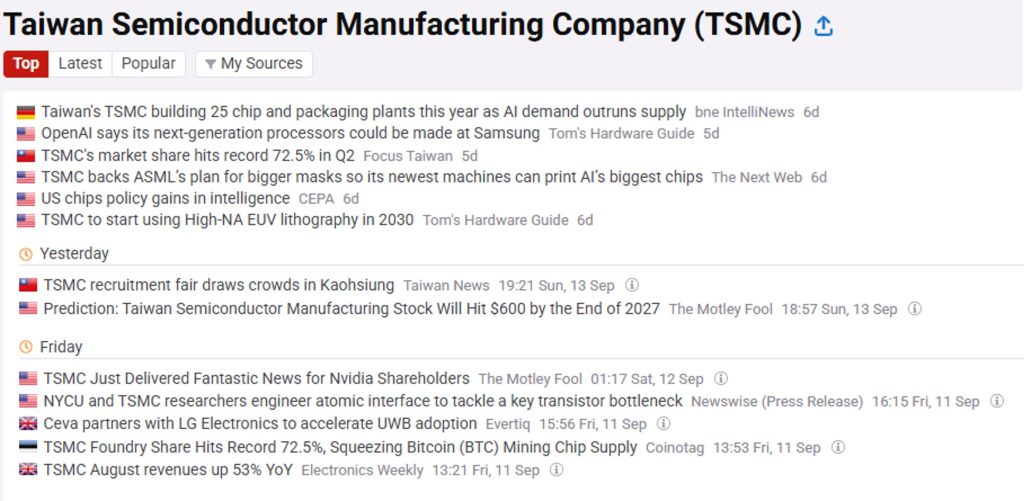 Fig. 4. Audience expansion through the reputation and visibility of a research collaborator. Source: NewsNow.
What This Case Suggests
- A press release can generate useful visibility quickly when the story is timely and easy for editors to use.
- Delayed coverage should not be overlooked because it may reflect more developed reporting.
- Social media pages and key opinion leaders can become important secondary channels for technical research stories.
- English press releases can travel across countries, languages and platforms, and may later be picked up domestically.
- For collaborative research, partner networks can create an additional path for discovery.
- A complete evaluation should combine platform metrics, media search, social signals and follow-up monitoring.
Conclusion
This case shows that the effect of a press release does not end with the original platform posting. Early pickup can show how quickly a story enters the news cycle, while later articles, social sharing, translated coverage, domestic reuse and partner-related alerts may reveal additional layers of reach. A fuller assessment should therefore look at how the story continues to move across platforms, audiences and markets after the initial release.
Reference
1. National Yang Ming Chiao Tung University. “Engineering the atomic interface opens a new path for atomically thin transistors.” EurekAlert!, August 4, 2026. https://www.eurekalert.org/news-releases/1138925
2. National Yang Ming Chiao Tung University. “NYCU and TSMC Researchers Engineer Atomic Interface to Tackle a Key Transistor Bottleneck.” Newswise, September 11, 2026. https://www.newswise.com/articles/nycu-and-tsmc-researchers-engineer-atomic-interface-to-tackle-a-key-transistor-bottleneck

About iesResearch
We share your discovery.
iesResearch helps universities and research institutions make research easier to find, understand, and use through research communication, visibility strategy, and outreach.