Summary
Depression is one of the most common mental health disorders worldwide, yet diagnosis is still largely based on symptoms and clinical evaluation. Researchers have long suspected that depression involves biological and metabolic changes, but reliable chemical biomarkers are still scarce.
This study applied a specialized metabolomics strategy called carboxylomics, which focuses on carboxylic acids—molecules closely linked to energy production and brain chemistry. Using a sensitive detection workflow, the researchers identified 208 metabolites from serum samples.
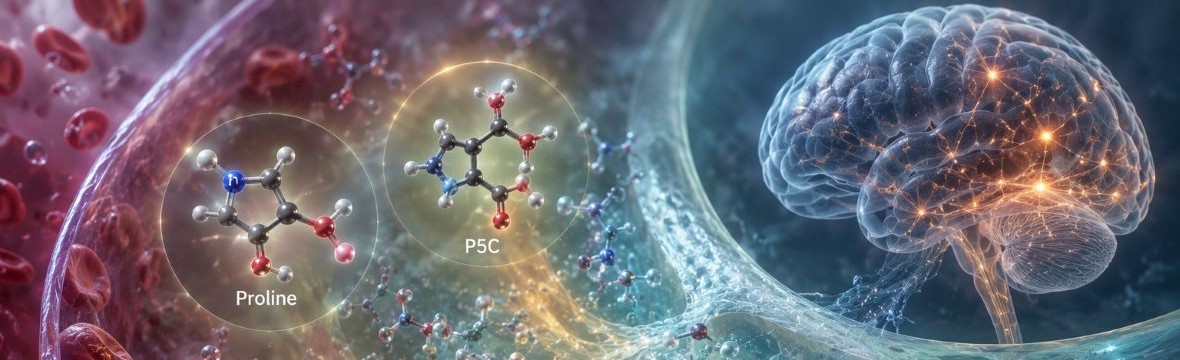
When comparing depressive patients with healthy controls, three metabolites stood out: proline, 1-pyrroline-5-carboxylate (P5C), and glutamic acid. The findings were validated using both human samples and an animal model of depression. When combined, the three metabolites achieved an AUC of 0.97, indicating a strong ability to distinguish depression from healthy controls.
The study also showed that these serum biomarkers correlated with changes in cerebrospinal fluid and hippocampal tissue. This observation suggests that blood samples may serve as a practical alternative for exploring depression-related biochemical mechanisms, avoiding invasive sampling.
A subtle metaphor is that instead of opening the “engine” (the brain), researchers can read the “dashboard signals” (blood chemistry) to understand what is happening internally.
Reference
X. Bian, N. Zhou, Y. Zhao, Y. Fang, N. Li, X. Zhang, X. Wang, Y. Li, J.-L. Wu, and T. Zhou, “Identification of proline, 1-pyrroline-5-carboxylate and glutamic acid as potential biomarkers for major depressive disorder based on sensitive profiling for chemoselective derivatization carboxylomics,” Journal of Affective Disorders, vol. 345, pp. 109–120, 2024, doi: 10.1111/pcn.13517