Summary
Blood contains thousands of tiny chemicals that reflect what is happening inside the body. These chemicals, called metabolites, can provide early warning signs of diseases such as cancer. However, many important metabolites are difficult to measure because they dissolve readily in water, occur at very low levels, or are easily confused with similar molecules.
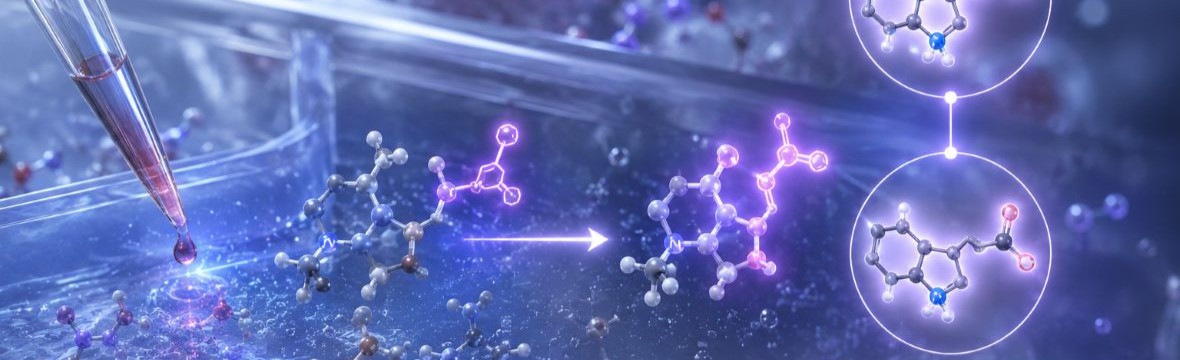
This research introduced a new LC–MS strategy designed to improve the detection of amino-containing metabolites (such as amino acids, small peptides, and amines). The researchers developed a new chemical labeling reagent called 3-DP-NHS. This reagent “tags” amino-containing metabolites, making them easier to separate and detect.
Using this approach, the team detected 202 amino-containing metabolites from only 5 μL of serum. When comparing gastric cancer patients with healthy controls, they found clear differences in amino acid-related metabolism. Importantly, the results showed that the tryptamine/tryptophan ratio was strongly associated with gastric cancer and may serve as a useful biomarker.
A helpful metaphor is that the method works like adding a bright dye to faint fingerprints, making hidden chemical clues easier to see. This approach may support future research on early diagnosis and personalized cancer monitoring.
Reference
J. Han, S. Gong, X. Bian, Y. Qian, G. Wang, N. Li, and J.-L. Wu, “Polarity-regulated derivatization-assisted LC-MS method for amino-containing metabolites profiling in gastric cancer,” Journal of Pharmaceutical Analysis, vol. 13, pp. 1353–1364, 2023, doi: 10.1016/j.jpha.2023.06.009.